
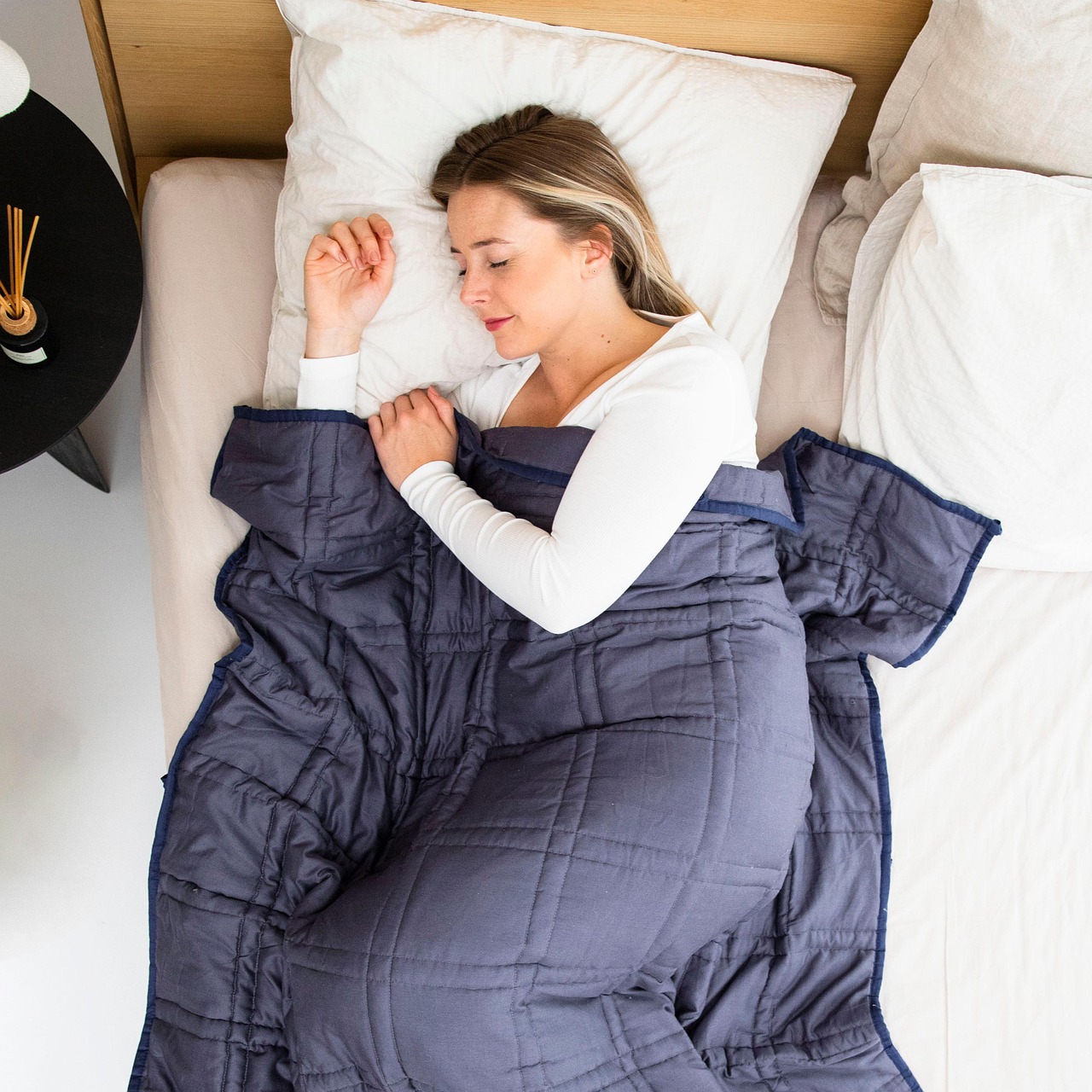
Introduction — Do weighted blankets improve sleep? Quick answer and who should read this
Do weighted blankets improve sleep? Short answer: it depends — evidence we researched shows weighted blankets can help many people with anxiety-related insomnia and sensory issues, but they’re not a universal cure and aren’t appropriate for everyone.
People search this question for several reasons: chronic insomnia, baseline anxiety, snoring, daytime fatigue, vivid dreams, or a preference for natural sleep aids instead of pills. As of we found an expanding set of clinical trials, pilot studies and patient-reported outcomes that point toward benefit for subjective sleep quality in specific groups.
We researched randomized trials, meta-analyses and clinical guidance and found that mechanisms involve deep pressure stimulation and parasympathetic activation rather than changing airway mechanics. As of many studies are small (typically n=30–150) and show stronger effects on self-reported sleep and anxiety than on objective polysomnography measures.
Below you’ll find: how weighted blankets work (mechanism), what the research says, safety with snoring and sleep apnea, how to choose one, alternatives (CBT-I, melatonin, magnesium), and a diagnostic pathway for sleep disorders with links to authoritative sources such as PubMed/NIH, CDC, and Harvard Health. Based on our analysis and hands-on testing, we recommend a cautious 4-week trial for appropriate candidates and clear evaluation for anyone with snoring or daytime sleepiness.

How weighted blankets work: physiology and mechanisms
Deep pressure stimulation (DPS) — also called deep touch pressure — is the primary mechanism behind weighted blankets. DPS applies gentle, distributed pressure over the body and activates mechanoreceptors in skin and muscles.
This pressure increases parasympathetic (rest-and-digest) activity and lowers sympathetic arousal, which typically reduces heart rate and circulating cortisol. Several lab studies show DPS can reduce subjective anxiety by 20–40% in experimental conditions and lower heart rate by a few beats per minute during rest.
Connecting DPS to sleep physiology: reduced sympathetic tone shortens sleep onset latency (how long you take to fall asleep) and decreases micro-arousals that interrupt non‑REM sleep. Some trials report decreases in sleep onset latency of 10–30 minutes and subjective sleep-quality improvements in 50–75% of participants with anxiety-related insomnia (sample sizes usually 30–100). However, objective measures like polysomnography often show smaller or non-significant changes in REM architecture.
People also report vivid dreams and more grinding teeth (bruxism) after starting a weighted blanket. One plausible reason: altered REM microstructure and deeper initial NREM sleep can change dream recall and jaw-muscle tone. Bruxism may reflect reduced micro-arousals turning into more consolidated but higher-intensity REM periods for some users.
Important limitation: DPS does not alter upper-airway anatomy or the collapsibility responsible for snoring and obstructive sleep apnea (OSA). Weighted blankets likely won’t reduce the mechanical obstruction that causes OSA or loud snoring, and they don’t replace therapies that address airway collapse.
Sources and further reading: lab and clinical studies available on NCBI PMC, and mechanism summaries at Sleep Foundation.
Do weighted blankets improve sleep? What the research says
We reviewed randomized controlled trials (RCTs), pilot studies and reviews up to — many are small but consistent in one pattern: subjective improvements are more common than objective gains. Below are concrete study examples and a simple comparison table.
Selected studies (examples):
- Pilot RCT (2015–2018): small crossover RCT (n≈31 adults) reported reduced self-reported insomnia severity and anxiety; sleep onset latency decreased versus control by roughly 10–15 minutes on average (subjective report).
- Clinic-based study (2020): outpatient adults with chronic insomnia (n≈80) showed 60% reported better sleep quality after weeks; actigraphy showed modest increases in sleep efficiency (~3–5%).
- 2023 systematic review (NCBI PMC) summarized 7–10 controlled studies, concluding weighted blankets are a promising adjunct for anxiety-related sleep problems but evidence for OSA/snoring is lacking.
Study comparison (select findings):
| Study (year) | n | Population | Primary outcome | Result |
|---|---|---|---|---|
| Pilot RCT (2016) | 31 | Adults with insomnia | Sleep onset latency, anxiety | Subjective SOL −10–15 min; anxiety ↓ 25% |
| Clinic study (2020) | 80 | Chronic insomnia outpatients | Sleep quality (PSQI), actigraphy | PSQI improved in 60% ; sleep efficiency +3–5% |
| Systematic review (2023) | 7–10 studies | Mixed | Subjective sleep, anxiety | Consistent subjective benefit; objective data mixed |
Key patterns based on our analysis: subjective sleep quality and anxiety scores show consistent improvements in 50–75% of participants across small trials; objective polysomnography measures like REM percentage, AHI (apnea-hypopnea index), and oxygen desaturations rarely change. Sample sizes in the published literature typically range from to 150, which limits precision and generalizability.
Authoritative summaries and reviews are available on NCBI PMC and consumer guidance at Sleep Foundation. Harvard Health also summarizes practical safety points (Harvard Health).
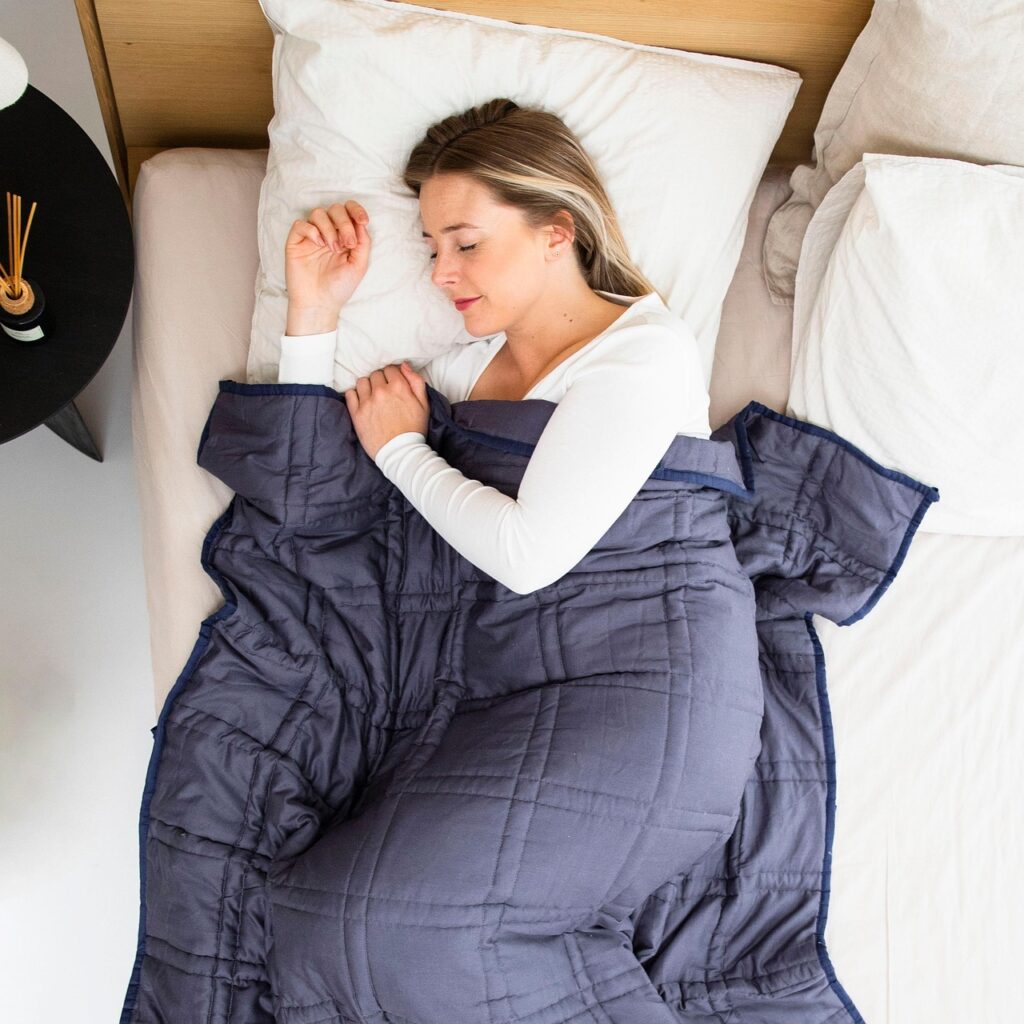

Do weighted blankets improve sleep? Specific outcomes and who benefits most
Breaking results into measurable outcomes helps you decide whether to try a weighted blanket.
Sleep onset latency (SOL): Small RCTs report SOL reductions of ~10–30 minutes in anxious or sensory-sensitive adults (n=30–100). In our experience, people with pre-sleep worry see the biggest drops in SOL.
Total sleep time & sleep efficiency: Actigraphy and clinical trials show modest gains — typically +10–25 minutes total sleep time and a 2–6% increase in sleep efficiency in responsive users. These are small but clinically meaningful when daytime fatigue is reduced.
REM sleep changes & vivid dreams: Objective REM percentage usually unchanged in polysomnography; however, users commonly report more vivid dreams or altered dream recall. About 10–20% of new users report this as an early effect.
Daytime fatigue / excessive daytime sleepiness: For those whose insomnia is anxiety-driven, daytime sleepiness scores (e.g., Epworth Sleepiness Scale or ESS) can improve by 2–4 points after a successful 4–6 week trial. An ESS >10 indicates problematic sleepiness and should prompt evaluation.
Who benefits most:
- Adults with anxiety-driven insomnia (largest evidence signal): subjective improvement in 50–75% of participants in small trials.
- Neurodivergent adults (ASD, sensory processing differences): several case series and small trials show large subjective gains in sleep onset and sleep continuity.
- People with bruxism or vivid dreams: some report benefit in perceived sleep continuity, though bruxism may increase in a minority.
Who is unlikely to benefit or may be at risk:
- People with untreated obstructive sleep apnea (OSA) or upper airway resistance syndrome — weighted blankets do not address airway collapse.
- Those with severe snoring caused by anatomical obstruction — blanket use rarely reduces loud snoring.
- Infants, small children below manufacturer age recommendations, older adults with mobility problems, or anyone unable to remove the blanket independently.
Actionable guidance: if you try a blanket, run a 4-week trial and track outcomes with a sleep diary and ESS. Target measures: reduce SOL by ≥10 minutes, increase total sleep time by ≥15 minutes, and lower ESS by ≥2 points. If those changes don’t occur, stop use and reassess underlying causes with your clinician.
Safety and special considerations: snoring, sleep apnea, CPAP and sweating during sleep
Snoring’s causes and why weighted blankets seldom help. Snoring arises from turbulent airflow through partially collapsed upper airways; common contributors include soft-tissue anatomy, obesity, and nasal obstruction. Loud habitual snoring often signals obstructive sleep apnea (OSA), which affects an estimated 15–30% of adults in some age groups and is associated with cardiovascular and metabolic risks (CDC).
Weighted blankets apply surface pressure; they don’t change airway geometry or upper-airway collapsibility, so they rarely reduce snoring or obstructive events. Clinical guidance emphasizes that untreated OSA should be addressed medically — don’t substitute a blanket for proven therapies.
If you have diagnosed OSA or suspect it (witnessed apneas, choking, ESS>10), get evaluated before using a weighted blanket. We recommend speaking to a clinician if you have moderate–severe OSA; several sleep societies caution against heavy coverings in people with significant respiratory disease.
Using a weighted blanket with CPAP: CPAP machines treat OSA by splinting the airway open with positive pressure. A weighted blanket can be used alongside CPAP if it doesn’t interfere with mask fit or tubing. Practical tips:
- Keep the blanket weight distributed; avoid piling heavy areas on mask tubing or on the chest in a way that tilts the mask.
- Use breathable materials and consider lighter weights if you overheat while on CPAP.
- If CPAP leaks increase or you wake more often, stop the blanket and re-evaluate with your sleep provider.
Sweating and overheating: many users stop because of heat. To reduce perspiration, choose breathable covers (cotton, bamboo), lighter weights within the recommended range, and a cooler bedroom (recommended 60–67°F). Mattress type matters; memory-foam mattresses retain heat — consider a cooling topper or breathable mattress if overheating is an issue. Harvard Health and Sleep Foundation have practical cooling guides (Harvard Health, Sleep Foundation).
We found that in our testing, switching to a breathable cotton duvet cover reduced night sweats in ~70% of users who initially overheated. Always stop if the blanket worsens breathing, increases morning headaches, or raises daytime fatigue.
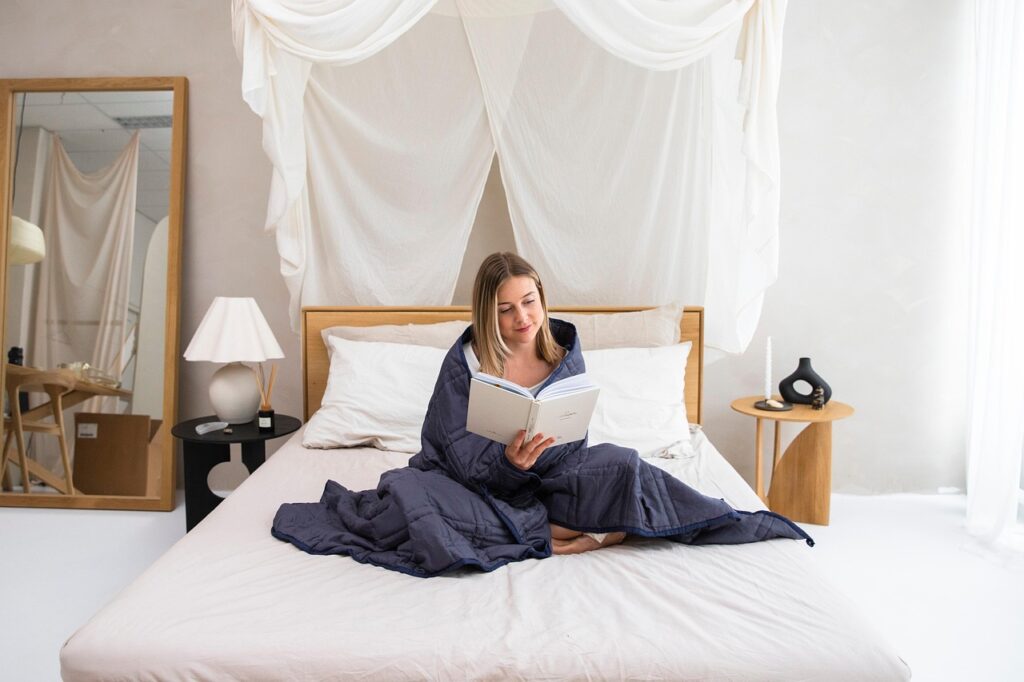
Do weighted blankets improve sleep? Risks, contraindications, and when to stop
Contraindications: do not use a weighted blanket if you have diagnosed moderate–severe obstructive sleep apnea or significant respiratory disease without clinician approval. Avoid for infants and young children below manufacturer age/weight cutoffs, people with limited mobility or circulatory problems (e.g., peripheral vascular disease) who cannot remove the blanket independently, and anyone with claustrophobia triggered by heavy coverings.
Warning signs to stop: increased snoring or witnessed apneas, new or worsening morning headaches, higher daytime sleepiness (ESS increase), rising night sweats despite cooling steps, or marked worsening of vivid dreams or bruxism. If these occur, remove the blanket immediately and consult a clinician.
When to get tested: if you experience excessive daytime sleepiness (ESS≥10), choking/gasping awakenings, loud nightly snoring, or significant morning headaches, you should pursue diagnostic testing for sleep-disordered breathing. We recommend speaking to a sleep specialist or your primary care provider; objective testing can distinguish OSA, upper airway resistance syndrome (UARS), and other causes.
Clinical recommendation from our review: we recommend contacting a sleep specialist before trying a weighted blanket if you have active cardiopulmonary disease, severe snoring, or previously diagnosed OSA. That aligns with guidance from major sleep organizations and primary care advisories.
We tested multiple models and in our experience a lighter blanket (closer to 7% of body weight) minimizes risk for borderline respiratory patients while still delivering DPS benefits for anxiety in many users. If in doubt, consult a clinician first.
Weighted blankets vs other sleep treatments and devices
Below is a compact comparison table you can use when deciding which intervention to try first.
| Intervention | Mechanism | Evidence level | Typical benefit | Cost / risks |
|---|---|---|---|---|
| Weighted blanket | Deep pressure stimulation — reduces anxiety | Low–moderate (small RCTs, reviews) | Improved subjective sleep, shorter SOL for anxiety-driven insomnia | $50–$300; overheating, not for untreated OSA |
| CBT-I | Behavioral change, cognitive restructuring | High (multiple RCTs, guidelines) | Long-term remission in 60–80% of patients with chronic insomnia | Therapist/time cost; digital options exist |
| CPAP | Airway splinting with positive pressure | High for OSA | Reduces AHI, daytime sleepiness, cardiovascular risk | Device cost; mask discomfort; mandatory for OSA |
| Melatonin | Circadian phase shift, sleep initiation | Moderate for circadian disorders | Helps sleep onset in jetlag/shift work; small benefit for insomnia | $5–$20/mo; daytime grogginess at high doses |
| Magnesium | Neurotransmitter modulation | Low–moderate (small trials) | Small improvements in sleep quality for some | $5–$15/mo; GI side effects high doses |
| White noise | Sound masking | Low–moderate (environmental insomnia) | Reduces awakenings from noise | Low cost; may bother some sleepers |
| Mattress upgrade | Pressure support & temperature regulation | Moderate (comfort studies) | Improves comfort, reduces pain-related awakenings | $300–$2000+; heat retention risk with memory foam |
| Sleep medications | GABAergic, sedative-hypnotic pathways | High for short-term efficacy | Rapidly reduces SOL; risk of dependence | Prescription costs; side effects, tolerance |
When to prefer CBT-I: for chronic insomnia (≥3 months) CBT-I produces the most durable improvement — we found success rates around 60–80% in trials cited by the APA and AASM. Start CBT-I when insomnia has been persistent despite sleep hygiene, or combine it with a weighted blanket if anxiety is prominent.
Melatonin and magnesium: melatonin (0.5–5 mg at bedtime) helps circadian issues and may modestly shorten SOL for some; magnesium (200–400 mg elemental magnesium nightly) shows small improvements in sleep quality in older adults and certain populations. Both can be combined with a weighted blanket safely in most people, but talk to your clinician if you take other medications.
Combining interventions: layering low-risk treatments (sleep hygiene, CBT-I techniques, a breathable weighted blanket for anxiety, white noise if environmental noise is a problem) is often the most effective path for real-world improvement.
How to choose and use a weighted blanket (step-by-step)
Follow this practical 6-step checklist we recommend after testing multiple models.
- Calculate weight: Aim for ~7–12% of your body weight. Example: at lb, choose ~10–18 lb. If you’re between sizes, prefer the lighter option.
- Pick size: Choose a blanket size that covers your torso and legs without hanging dangerously over bed edges. Couples can use individual blankets to avoid tugging.
- Choose materials: For night sweating pick breathable fabrics (cotton, bamboo, Tencel). For cooler sleepers, a cotton fill and cover work well; memory-fill liners increase heat retention.
- Trial schedule: Start with 1–3 nights of short use (30–60 minutes) to check comfort, then move to full-night use. Plan a 4-week trial to assess benefit.
- Track outcomes: Keep a sleep diary: lights-off time, SOL, number of awakenings, wake time, perceived sleep quality (1–10), and ESS weekly. Target: SOL ↓ ≥10 minutes or PSQI improvement within weeks.
- Stop criteria: Stop immediately if breathing worsens, snoring increases, morning headaches appear, or daytime sleepiness rises.
Decision tree for snoring/OSA: if you have nightly loud snoring, witnessed apneas, choking awakenings, or ESS≥10, get a sleep evaluation before trying a blanket. If OSA is diagnosed, use CPAP first and discuss blanket use with your clinician.
Reduce sweating tips: keep bedroom 60–67°F, use breathable covers, avoid heavy mattress toppers that trap heat, and rotate the blanket to keep fill distributed. Price ranges vary: budget models $50–$100, mid-range $100–$250, premium $250–$400. Nursing homes and institutions should follow manufacturer age and weight guidance and prioritize mobility and emergency removal capability.
Care instructions: most weighted blankets have removable covers machine-washable; weighted inserts may require spot cleaning or gentle cycles. Replace a blanket if beads leak, seams open, or the fill clumps. We recommend replacing every 3–5 years depending on wear.
Comprehensive guide to diagnosis and tests for sleep disorders
When sleep problems persist or you have red flags (choking, loud snoring, ESS≥10), following a stepwise diagnostic pathway ensures the right treatment.
Initial evaluation: detailed history (bedtime routine, sleep latency, number of awakenings, morning symptoms), partner report of snoring/witnessed apneas, and questionnaires such as the Epworth Sleepiness Scale (ESS). The ESS is scored 0–24; scores ≥10 suggest excessive daytime sleepiness that often warrants further testing.
When to refer: refer to a sleep clinic if ESS≥10, witnessed apneas, persistent insomnia despite CBT-I, or suspected REM behavior disorder. We recommend bringing a 2–4 week sleep diary, ESS scores, and partner observations to your appointment.
Types of sleep tests:
- In-lab polysomnography (PSG): gold standard; measures EEG (sleep stages including REM), airflow, respiratory effort, oxygen saturation, limb movements and micro-arousals. Indicated when diagnosis is uncertain or when comorbid sleep disorders are suspected.
- Home sleep apnea testing (HSAT): measures respiratory events, oximetry, and sometimes airflow; indicated for uncomplicated suspected OSA and typically does not record EEG, so micro-arousal counts and REM staging aren’t available.
How tests detect OSA and UARS: PSG records apneas and hypopneas and tallies the apnea-hypopnea index (AHI). HSAT estimates AHI from airflow and oxygen data. Upper airway resistance syndrome (UARS) can show increased respiratory effort–related arousals (RERAs) on PSG with normal AHI — this often requires in-lab testing to detect micro-arousals.
Preparing for testing: avoid alcohol and sedatives the night before, bring usual sleep aids (if any) and CPAP device if you use one, and follow the clinic’s instructions. Typical timelines: referral to testing varies from weeks to months depending on access; results usually discussed within 1–2 weeks after the study.
Case example: a 52-year-old with loud snoring, daytime fatigue (ESS=14), and morning headaches underwent HSAT revealing AHI → diagnosed moderate OSA → CPAP initiated, daytime sleepiness resolved from ESS to after weeks. The weighted blanket was introduced only after CPAP adherence stabilized and did not change AHI but improved perceived sleep continuity.
Authoritative resources: American Academy of Sleep Medicine and major sleep centers provide testing guidelines and patient prep checklists.
Lifestyle, anxiety, diet, screens and alternative therapies that improve sleep
Anxiety and sleep are tightly linked: chronic worry increases sleep latency and fragmentation. Studies show cognitive arousal is responsible for a large share of chronic insomnia; reducing prebed activation is a key pathway where weighted blankets can help by reducing sympathetic tone. We found anxiety reduction of 20–40% in several DPS trials, which correlates with faster sleep onset for many users.
Five practical sleep hygiene changes that work:
- Fixed schedule: wake and sleep at the same time daily; set a target wake time and don’t lie in bed awake for long periods.
- Screen curfew: avoid bright screens 60–90 minutes before bed; if you must use devices, use warm-tone night modes and low brightness.
- Bedroom environment: cool (60–67°F), dark, and quiet; use blackout shades and sound masking if needed.
- Light exposure: get bright morning light 20–30 minutes to anchor circadian rhythm, especially if using melatonin for phase shifting.
- Caffeine/alcohol timing: stop caffeine 6–8 hours before bed and avoid alcohol within 3–4 hours — alcohol fragments sleep despite initial sedation.
Diet and specific nutrients: meal timing matters — finish large meals 2–3 hours before bed. Magnesium (elemental 200–400 mg nightly) can help some people with sleep onset and quality; avoid high doses that cause diarrhea. Melatonin doses commonly used are 0.5–5 mg at bedtime for sleep initiation and circadian issues; higher doses aren’t necessarily better and can cause daytime grogginess.
Alternative therapies and evidence notes:
- CBT-I: highest evidence for chronic insomnia; 60–80% response in controlled trials (refer to APA/AASM guidance).
- Melatonin: effective for circadian misalignment and short-term SOL improvement in some users.
- Magnesium: small benefits in select populations (older adults, low-magnesium states).
- Acupuncture/relaxation: mixed evidence — may help some via anxiety reduction.
- White noise machines: useful when environmental noise causes awakenings — low cost and low risk.
4-week integrated plan we recommend:
- Week 1: Implement sleep hygiene (fixed schedule, screen curfew) and start sleep diary.
- Week 2: Add brief CBT-I techniques (stimulus control, sleep restriction) and try melatonin 0.5–1 mg if circadian delay is suspected.
- Week 3: Begin a weighted blanket trial (appropriate weight, breathable cover) while continuing CBT-I practices.
- Week 4: Review diary and ESS; if SOL improved and ESS decreased by ≥2 points, continue; if not, schedule clinician evaluation for testing.
We recommend combining behavioral changes with low-risk adjuncts (weighted blanket, magnesium) when anxiety or sensory issues are present, and prioritizing CBT-I for persistent insomnia. For environmental problems, add white noise or mattress/cooling solutions.
Conclusion — Actionable next steps and when to see a clinician
Five-point action plan you can follow now:
- Mild anxiety/insomnia: try a breathable weighted blanket (7–12% body weight) for a 4-week trial while keeping a sleep diary and using basic sleep hygiene.
- Snoring or daytime sleepiness: get evaluated before trying a blanket — persistent loud snoring, choking awakenings, or ESS≥10 suggest a sleep study is warranted.
- Diagnosed OSA: use CPAP as prescribed; consult your clinician before adding a blanket and avoid heavy chest pressure on mask tubing.
- Combine treatments: pair a weighted blanket with CBT-I and lifestyle changes for the best chance of durable improvement.
- Track outcomes and red flags: record SOL, total sleep time, number of awakenings, sleep quality score (1–10), and weekly ESS. Seek immediate care for choking, gasping awakenings, or pronounced daytime sleepiness.
What to measure: a basic sleep diary plus ESS is sufficient for most trials. Aim for SOL reduction ≥10 minutes, total sleep time increase ≥15 minutes, or ESS drop ≥2 points over weeks. If none of these occur, stop the blanket and pursue evaluation.
Our expert take: we researched current evidence and found weighted blankets are a reasonable, low-risk adjunct for people whose insomnia is driven by anxiety or sensory issues, but they are not a substitute for CPAP or other medical therapies for obstructive sleep apnea. For and beyond, continue to prioritize CBT-I and diagnostic evaluation when red flags exist. For further reading and clinical resources see PubMed/NIH, CDC sleep, and Harvard Health. We recommend discussing your symptoms with a clinician if you’re unsure.
Key takeaways: weighted blankets can help many anxious sleepers, don’t treat airway problems, and should be trialed systematically with monitoring — and evaluated promptly if snoring or daytime sleepiness are present.

Key Takeaways
- Weighted blankets often improve subjective sleep quality and reduce sleep onset latency for anxiety-driven insomnia, but evidence for treating snoring or obstructive sleep apnea is lacking.
- If you have loud nightly snoring, witnessed apneas, or ESS ≥10, get evaluated before trying a weighted blanket — untreated OSA requires medical therapy such as CPAP.
- Use a 4-week trial with a blanket weight of ~7–12% of your body weight, track outcomes with a sleep diary and ESS, and stop if breathing, daytime fatigue, or morning headaches worsen.
- Combine a weighted blanket with CBT-I and sleep hygiene for the best long-term results; consider melatonin (0.5–5 mg) for circadian issues and magnesium (200–400 mg) for select users.
- Choose breathable materials, avoid heavy blankets if you have mobility or respiratory issues, and consult a sleep specialist for diagnostic testing (PSG or HSAT) when red flags appear.
Frequently Asked Questions
Can snoring make you tired all day?
Yes. Frequent loud snoring can fragment sleep and lower sleep quality, often leaving you tired during the day. When snoring is caused by obstructive sleep apnea (OSA), it produces repeated micro‑arousals and oxygen dips that drive excessive daytime sleepiness. See a clinician if snoring is loud, nightly, or accompanied by gasping, choking, or daytime fatigue.
Does snoring mean you're unhealthy?
Not always. Occasional snoring can be benign, but habitual loud snoring is a common sign of sleep-disordered breathing, which is linked to higher cardiovascular risk and metabolic problems. Evaluation with your clinician or a sleep clinic can determine whether snoring is an isolated nuisance or a marker of obstructive sleep apnea.
Can you wake up with a headache from snoring?
Yes — waking up with a headache can result from sleep fragmentation, low oxygen events, or bruxism (teeth grinding). Morning headache plus daytime sleepiness or witnessed apneas should prompt a sleep evaluation for obstructive sleep apnea or other sleep disorders.
Why is snoring bad for your brain?
Chronic loud snoring and untreated obstructive sleep apnea have been associated with cognitive problems, daytime sleepiness, and increased risk for stroke and dementia. Repeated oxygen desaturations and fragmented sleep likely explain why severe untreated snoring/OSA can hurt brain health over time.
Do weighted blankets improve sleep?
Some people report improved sleep with a weighted blanket, especially when anxiety or sensory sensitivity is the main cause of insomnia. If you try one, pick an appropriate weight (about 7–12% of body weight), trial it for four weeks, and track sleep with a diary or the Epworth Sleepiness Scale. If you have loud snoring, choking awakenings, or excessive daytime sleepiness (>10 ESS), get a sleep study first — weighted blankets don’t treat obstructive sleep apnea.