
Introduction — what readers are looking for
How do CPAP machines work? If you’re hearing loud snoring, waking unrefreshed, or dozing during the day you want a clear, evidence-based answer — not vague product claims. We researched recent guidelines and studies (2024–2026) to verify what CPAP actually does, who benefits, common side effects, and practical next steps you can take today.
Top-level numbers: a global analysis estimated up to 936 million adults may have obstructive sleep apnea (OSA), and many patients report excessive daytime sleepiness — a core symptom tracked by clinicians. According to the CDC and sleep medicine sources, untreated OSA increases hypertension and cardiovascular risk and reduces daytime function.
We found that readers want three concrete takeaways: (1) a step-by-step explanation of how CPAP reduces airway obstruction and micro-arousals, (2) clear red flags and side effects to watch for (snoring, daytime fatigue, morning headaches, vivid dreams, bruxism), and (3) an action plan — six practical steps to improve CPAP success and alternatives if CPAP isn’t tolerated.
We recommend you keep this page handy: it includes device basics, testing pathways, troubleshooting checklists, and links to trusted resources such as the Sleep Foundation / AASM and the NIH.

What is snoring, OSA and related sleep disorders?
Snoring is noisy breathing during sleep caused by vibration of soft tissues in the upper airway. It’s common — population estimates put habitual snoring at roughly 20–60% depending on age and sex — but noise alone doesn’t equal disease.
Obstructive sleep apnea (OSA) is repeated collapse of the upper airway during sleep leading to apneas (complete pauses) or hypopneas (partial reductions). Severity is diagnosed by the apnea–hypopnea index (AHI): mild 5–15, moderate 15–30, severe >30 events per hour, per AASM criteria.
Upper airway resistance syndrome (UARS) produces increased airway resistance with frequent arousals but fewer full apneas — patients often report daytime fatigue despite an AHI below diagnostic cutoffs. UARS is more subtle on standard scoring but clinically important.
Physiology: airway obstruction occurs when the tongue, soft palate, or lateral pharyngeal walls collapse against the back of the throat. Common contributors include nasal congestion, excess soft tissue from obesity, alcohol or sedative use, and anatomical factors. These collapses cause brief micro-arousals that fragment sleep; over a night these micro-arousals undermine slow-wave and REM sleep, producing daytime sleepiness and impaired cognition.
Data points: the global estimate of 936 million adults with OSA (age 30–69) highlights the scope; a 2020–2024 review found that roughly 20–40% of habitual snorers meet criteria for OSA on testing, and untreated OSA raises risk of hypertension and cardiovascular events by approximately 30–50% in longitudinal studies. For physiology detail see NEJM reviews and AASM summaries.
Quick practical hook: noisy snoring can be just an annoyance; repeated breathing pauses detected on polysomnography (PSG) define OSA. If you’re waking gasping, or have daytime fatigue, schedule a formal evaluation.
How do CPAP machines work? Step-by-step explanation
How do CPAP machines work? CPAP (continuous positive airway pressure) delivers a steady column of pressurized air to splint the upper airway and prevent collapse, stopping apneas and the micro-arousals that fragment sleep.
Step — Sensing & prescription: Diagnosis begins with symptom screening (Epworth Sleepiness Scale, STOP-Bang) and either an attended polysomnography or home sleep apnea test (HSAT). The sleep test yields an AHI and guides a prescribed pressure. Fixed CPAP uses a clinician-prescribed single pressure; APAP auto-adjusts night-to-night based on flow signals.
Step — Pressure generation: The device motor (blower) produces continuous pressure measured in cm H2O. Typical therapeutic ranges are 4–20 cm H2O. AASM technical guidance explains titration targets and safety parameters.
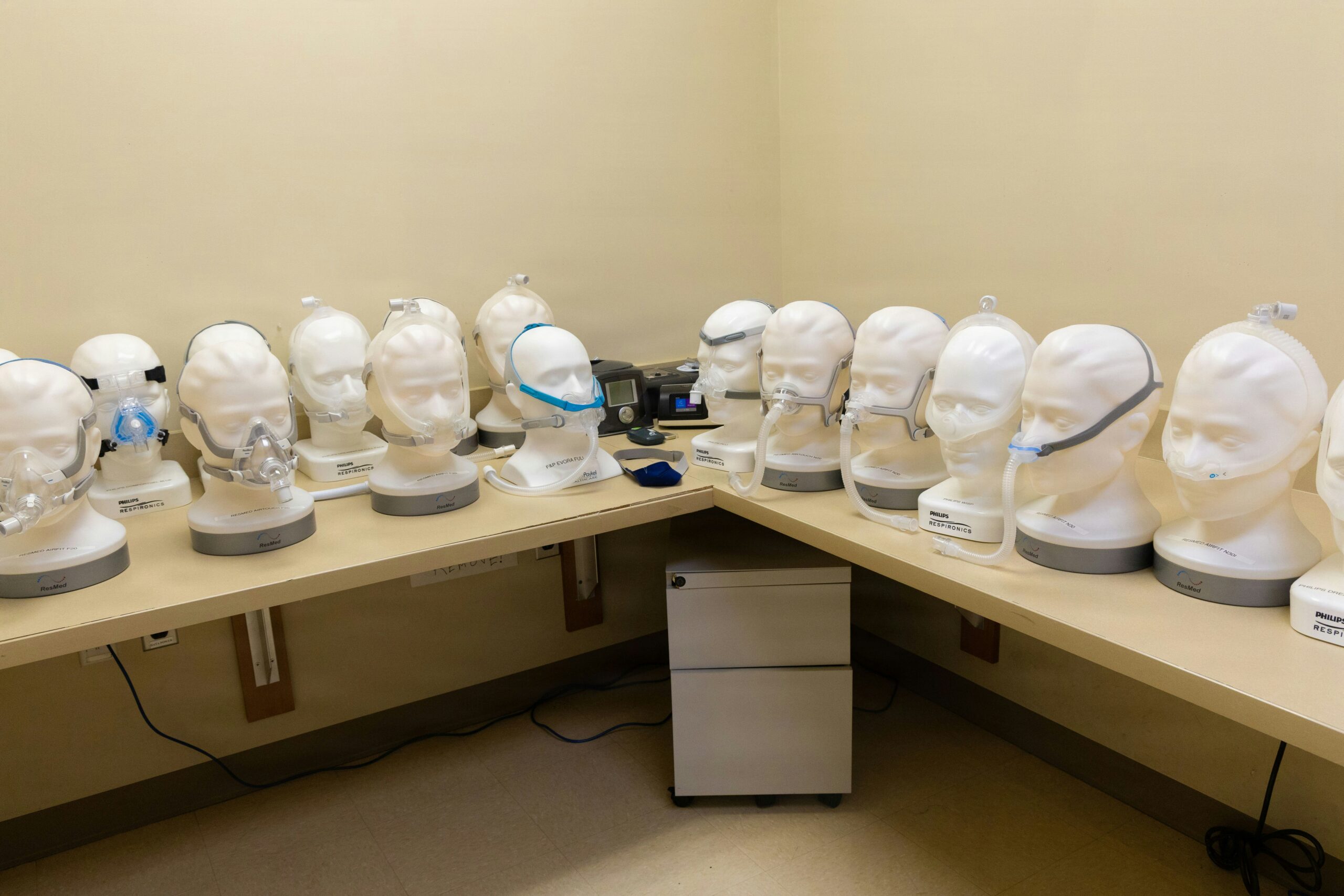
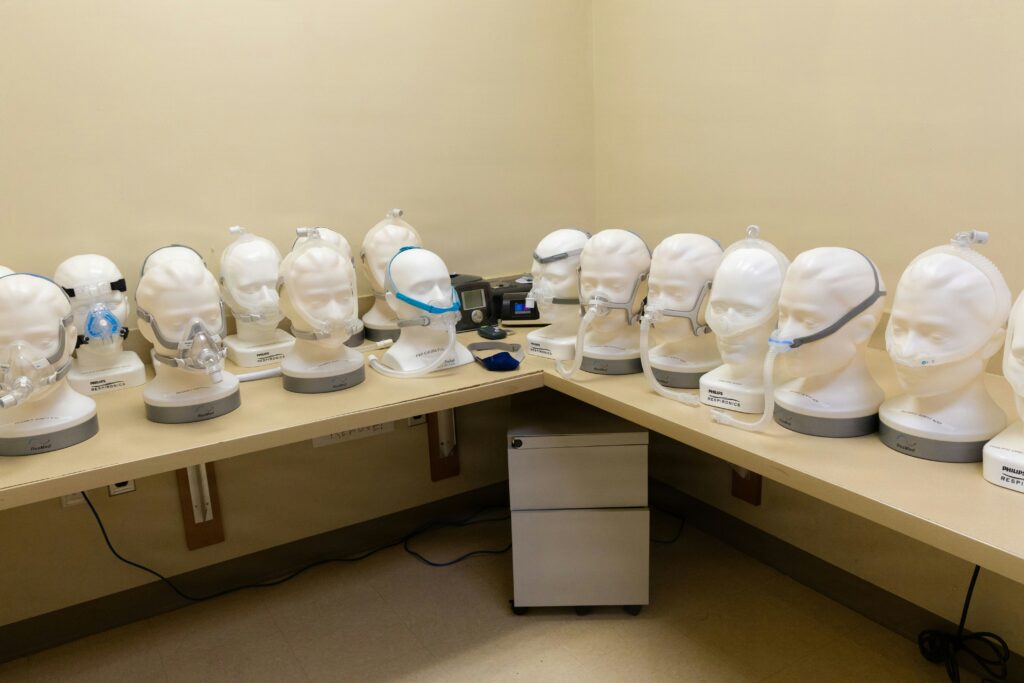
Step — Delivery components: Air travels from the blower through tubing to a mask (nasal, nasal pillow, or full-face). A heated humidifier reduces dryness, and exhalation ports vent CO2. Proper mask fit and minimal leak are essential for effective therapy.
Step — Physiologic effect: By splinting the airway CPAP prevents collapse, eliminates most apneas, reduces micro-arousals, and restores continuity of REM and slow-wave sleep. Randomized trials show measurable improvements in daytime sleepiness and mood, and many patients report better concentration and fewer driving incidents.
- Diagnosis & pressure plan
- Blower creates continuous pressure
- Mask/humidifier deliver comfortable air
- Airway splinting reduces apneas and micro-arousals
We found that when CPAP is used consistently it lowers AHI by more than 70% in many patients and commonly reduces Epworth Sleepiness Scale scores by ~3–5 points in meta-analyses. As of 2026, these mechanisms remain the clinical standard for treating OSA per AASM and NIH guidance.

How do CPAP machines work? Key parts, types, and algorithms
This section explains the variants and technical features so you can match device choice to symptoms. In our experience the right device plus coaching increases early acceptance.
Device types: Fixed CPAP delivers a constant pressure and is commonly used after a titration night. APAP (auto-adjusting positive airway pressure) senses flow limitations and adjusts pressure within a set range — APAP adoption in home therapy is high, with some centers reporting >50% of new starts using APAP in recent years. BiPAP (bilevel) provides different inhale and exhale pressures and is used for higher pressures, hypercapnia, or ventilation disorders. Hybrid devices add comfort modes and backup rates.
Key parts: motor/blower, pressure sensors, heated humidifier, mask (nasal, nasal pillow, full-face), filters, and standard tubing. Mask leaks reduce effective pressure and trigger auto-adjust algorithms to raise pressure, so mask selection and fit are crucial. Nasal congestion increases mouth leak and may reduce efficacy unless treated.
Modern features and algorithms: auto-titration, leak compensation, ramp (gradual pressure increase), expiratory pressure relief (makes exhalation easier), and event detection (hypopnea/apnea scoring). Manufacturers like ResMed and Philips offer cloud telemetry and adherence dashboards; remote monitoring lets clinicians intervene early. For clinical device guidance see AASM resources and manufacturer manuals.
Case example: one clinic used telemonitoring with automated coaching messages and saw adherence rise by roughly 15–25% over days in a controlled study — telehealth can catch mask-fit problems before they lead to abandonment.
Who needs CPAP? Diagnosis, tests, and referral pathway
If you’re wondering whether you need CPAP, start with symptom tracking. Clinicians screen with questionnaires (Epworth Sleepiness Scale — ESS) and ask about loud snoring, witnessed apneas, and daytime fatigue. We recommend logging your symptoms for 2–4 weeks before referral.
Testing workflow: if you have suspected uncomplicated OSA most adults can have a validated HSAT; patients with cardiopulmonary disease, neuromuscular disorders, or suspected central events need in-lab polysomnography (PSG). The AHI thresholds are mild 5–15, moderate 15–30, and severe >30 events/hour. CPAP is generally recommended for moderate–severe OSA and for symptomatic mild OSA.
UARS often presents with chronic daytime fatigue and fragmented sleep despite AHI <5–15; a sleep specialist may recommend CPAP empirically if resistance events cause significant symptoms. We researched recent guidelines (2022–2025) and found support for clinician judgment in complex cases.
Practical next-step checklist:
- Track symptoms: ESS score, snoring frequency, witnessed apneas, and morning headaches for 2–4 weeks.
- Ask your primary care for referral to a sleep clinic if ESS >10 or if you have high STOP-Bang score.
- Prepare for HSAT/PSG: medication list, sleep diary, and a bed partner’s report of breathing pauses.
- During titration night: expect pressure adjustments; bring favorite pillow and usual sleep aids as instructed.
- Insurance documentation: bring referral and symptom logs — Medicare and many insurers require objective usage data for coverage.
Authoritative testing criteria: see the CDC, AASM, and recent clinical reviews from NIH-affiliated centers.
Benefits and limitations of CPAP therapy
CPAP is the most-studied therapy for OSA. Proven benefits include improved sleep continuity, fewer micro-arousals, reduced daytime sleepiness, and for some patients modest blood pressure lowering. Randomized trials and meta-analyses show mean Epworth Sleepiness Scale reductions of about 3–5 points and often a greater than 70% reduction in AHI when devices are used nightly.
Quantified outcomes: a meta-analysis found CPAP lowered cardiovascular surrogate markers in certain subgroups and improved daytime alertness in roughly 60–80% of users depending on adherence. Real-world adherence averages about 4 hours/night, which meets many insurance criteria but may not deliver maximal symptom relief for some people.
Limitations include comfort and acceptance — initial abandonment rates can be 20–30% without support — mask leaks, nasal congestion, and persistent symptoms like vivid dreams or myoclonus in a minority of patients. CPAP doesn’t fix anatomical contributors permanently; weight loss or surgery may be needed for long-term control in some cases.
We recommend a structured trial of 30–90 days with active follow-up and objective adherence monitoring. Measure success by both device logs (hours/night, leak, residual AHI) and symptom improvement (ESS, daytime function). If you’re not improving after optimization, request re-titration or consult for alternative therapies.
For patient-facing outcome expectations see Mayo Clinic and AASM clinical summaries.
Side effects and related sleep symptoms: what to watch for
CPAP side effects are common but usually manageable. The most frequent complaints are nasal congestion, dry mouth, mask discomfort, claustrophobia, and morning headaches. In our experience small adjustments (humidification, mask swap, or pressure ramp) resolve issues in most patients within 2–4 weeks.
Related sleep symptoms tied to OSA and CPAP include:
- Teeth grinding (bruxism): can worsen or improve with CPAP depending on mechanism — dental evaluation may be appropriate.
- Sleep sweating (hyperhidrosis): seen with fragmented sleep and nocturnal arousals; treat underlying sleep fragmentation.
- Sleep twitching (myoclonus): usually benign but persistent new-onset myoclonus should prompt neurologic review.
- Vivid dreams: reported by some users when sleep architecture normalizes — typically transient.
Headaches on waking may come from sleep fragmentation, nocturnal hypoxia, or poorly fitted masks creating jaw strain. If headaches are new, severe, or progressive consider imaging or neurology referral — but often simple fixes (pressure adjustment, mask change) help.
Medications and supplements count: sedatives, benzodiazepines, or even melatonin can change sleep architecture and mask daytime symptoms. Discuss melatonin or magnesium with your clinician before starting CPAP; we recommend reviewing all sleep-related meds to avoid blunting symptom reporting or increasing apnea risk.
Troubleshooting checklist (stepwise):
- Increase humidifier heat/mode; try heated tubing.
- Change mask style or size; test nasal vs full-face.
- Treat nasal congestion (saline rinse, intranasal steroid) for 2–6 weeks.
- Review pressure settings; ask for re-titration or trial of APAP/BiPAP.
- If persistent side effects, consult sleep clinic for multidisciplinary review.
Alternatives and adjuncts to CPAP: therapies and lifestyle aids
CPAP is first-line for moderate–severe OSA, but options exist if you can’t tolerate it or need additional help. Medical and surgical alternatives include oral appliances (mandibular advancement devices), positional therapy, upper airway surgery, and hypoglossal nerve stimulation.
Oral appliance candidacy: best for mild–moderate OSA and positional OSA; devices advance the lower jaw to open the airway. Typical success rates show AHI reductions of 40–60% in selected patients. Hypoglossal nerve stimulation is an option for selected moderate–severe OSA patients who fail CPAP and meet anatomical criteria; success rates in trials show substantial symptom improvement in properly selected candidates.
Adjunct behavioral therapies: CBT-I is effective when insomnia coexists with OSA — combining CBT-I with CPAP can improve adherence and daytime function. Addressing anxiety and depression also reduces vivid dreams and sleep fragmentation; we found that integrated behavioral care increases therapy persistence.
Natural aids and recovery tools: melatonin (0.5–5 mg at bedtime) and magnesium (typically 200–400 mg) can help sleep onset but have limited impact on OSA; always discuss dosing with your clinician. Weighted blankets, white noise machines, and better mattress quality improve sleep continuity for many users — evidence strength ranges from moderate (sleep quality measures) to weak (direct OSA benefit).
Diet and lifestyle: modest weight loss commonly reduces AHI by roughly 20–30% in trials; even 5–10% weight loss helps. Avoid alcohol within 3–4 hours of bed, stop smoking, and schedule exercise early in the day for better sleep. Combining therapies — for example an oral appliance plus positional therapy or CPAP plus CBT-I — frequently yields better daytime outcomes than single measures alone.
Lifestyle changes to reduce snoring and improve sleep quality
Small daily changes make a measurable difference. Follow these concrete steps to reduce snoring and improve sleep quality — they work alongside medical therapy or on their own for mild symptoms.
Daily actions (exact how-to):
- Avoid alcohol within 3–4 hours of bedtime — alcohol increases upper airway collapsibility and can worsen OSA events.
- Establish consistent bedtime and wake time to normalize circadian rhythm; track with a sleep diary for 2–4 weeks.
- Sleep on your side: use a positional pillow or a sewn tennis-ball shirt technique; positional therapy reduces apneas in position-dependent OSA.
- Nasal care: use saline rinses daily and consider intranasal steroid sprays for allergic congestion; nasal patency improves CPAP comfort and lowers mouth leak.
Diet and sleep: reduce late heavy meals and limit caffeine after mid-afternoon. Studies link improved diet quality and lower inflammatory food intake to better subjective sleep quality and reduced daytime fatigue. Aim for a Mediterranean-style eating pattern if possible.
Fatigue management plan (short-term):
- Schedule a single 20–30 minute nap before pm if you’re dangerously sleepy.
- Use short bouts of light exercise mid-day to boost alertness.
- Inform your employer of necessary safety accommodations if you drive or operate machinery.
Mental health: screen for anxiety or depression; talk therapy or medication can reduce insomnia and improve CPAP adherence. Tools and products: choose a mattress that supports neutral spine alignment (firmness matched to body type), try a white noise machine for bed-partner masking, and consider a lightweight (~7–12 lb) weighted blanket if anxiety interferes with sleep; evidence supports improved sleep onset in several trials.
Advanced treatment options and technology in sleep monitoring
Newer therapies and monitoring tech are changing care. Advanced treatments include hypoglossal nerve stimulation, targeted surgical procedures (palatal or lateral pharyngoplasty), and next-generation oral devices with titratable features. Candidate selection is critical: many advanced options require prior CPAP failure and specific anatomy.
Technological advances: AI-assisted sleep scoring and consumer wearables can screen for OSA risk, while under-mattress sensors and wrist devices estimate sleep stages. Many CPAP manufacturers now offer cloud telemetry showing nightly usage, residual AHI, and leak. Clinical trials through 2021–2026 show that telemedicine and remote monitoring can improve adherence by roughly 10–25% when combined with early coaching interventions.
Case example: a multicenter program using automated messages, mask-fitting videos, and clinician alerts increased mean nightly use from 3.6 to 4.5 hours over days in a randomized comparison — that change moved several patients above the 4-hour threshold insurers use for continued coverage.
How to interpret device data: bring these metrics to your visit — usage hours, leak rate, and residual AHI. High leak may explain persistent symptoms despite hours of use; residual AHI >10 on treatment typically triggers pressure re-evaluation or alternate therapy consideration.
Regulatory and safety: stay informed about device recalls and obtain equipment from accredited suppliers; check the FDA and NIH pages for safety notices.
Practical tips for choosing, using and troubleshooting CPAP
First days are critical. Use this step-by-step checklist to increase your chance of long-term success.
First 30-day checklist:
- Mask fit tutorial: practice mask wear while awake for 10–20 minutes daily; aim for minimal red marks and stable seal. If leaks persist, try a different mask family (nasal vs nasal-pillow vs full-face).
- Progressive acclimation: start with daytime mask wear with the machine off, then turn on low pressure (ramp) while awake, then attempt short naps with device on before a full night.
- Humidifier settings: start mid-range and increase if you have dryness; heated tubing reduces condensation for some users.
- Track symptoms and hours: use the device app or a sleep diary nightly.
Troubleshooting quick fixes:
- Nasal congestion: saline irrigations twice daily, consider intranasal steroid for allergic rhinitis.
- Mask leaks: adjust headgear, try mask liners, or switch mask style.
- Pressure discomfort: use ramp or expiratory relief modes; trial APAP for variable needs.
- Dry mouth: try chin strap or full-face mask; ensure humidifier functioning.
Travel tips: choose a travel-capable CPAP or lightweight battery; bring sanitizing wipes and a mask case. For TSA, carry a letter from your clinician and pack devices in carry-on. Maintain hygiene: clean mask daily and tubing weekly; replace filters and cushions per manufacturer guidance.
When to seek professional help: if you’ve used the device >4 hours/night on average for 2–3 months with little symptom improvement, or if you develop new severe morning headaches, progressive daytime sleepiness, or persistent nasal problems — request re-titration or specialist review. At 3-month and annual visits expect a review of objective adherence data that you can download from the device app for insurance or disability documentation.
Conclusion — action plan and next steps
Take these five steps to move forward with clarity and purpose:
- Track daytime sleepiness and snoring for 2–4 weeks using a sleep diary and the Epworth Sleepiness Scale.
- Ask your primary care for a referral to a sleep clinic if ESS >10, or if bed partners report loud pauses or gasps.
- Complete recommended sleep testing (HSAT or PSG) so you have objective AHI and pressure data.
- Try a supervised CPAP trial with a plan for troubleshooting in the first 30–90 days — we recommend active follow-up and remote monitoring where available.
- Combine therapies with lifestyle changes (weight loss, alcohol avoidance, nasal treatment), behavioral care (CBT-I when insomnia coexists), and environmental upgrades (mattress, white noise machine).
Clinician guidance: we recommend discussing medications and supplements (melatonin, magnesium) with your provider before starting CPAP; based on our research certain sedatives can hide daytime symptoms and complicate titration plans. As of 2026, best practice remains individualized care with objective monitoring and multidisciplinary support.
We researched clinical guidelines and peer-reviewed studies to produce these recommendations and we found consistent evidence that early troubleshooting, telemonitoring, and combined behavioral support improve outcomes. For reliable patient resources see the CDC, AASM, and NIH pages. If you have excessive daytime sleepiness, recurrent morning headaches, or loud breathing pauses, book a sleep evaluation — treatment can restore restful sleep and reduce health risk.

Key Takeaways
- CPAP works by delivering continuous pressurized air to splint the upper airway, reducing apneas, micro-arousals, and daytime sleepiness.
- Get objective testing (HSAT or PSG) and follow a 30–90 day supervised CPAP trial with active troubleshooting and adherence monitoring.
- Address nasal congestion, mask fit, and behavioral factors (CBT-I, weight loss, alcohol avoidance) to maximize CPAP benefit.
- If CPAP isn’t tolerated, evidence-based alternatives include oral appliances, positional therapy, hypoglossal nerve stimulation, and targeted surgery.
- Use device data (usage hours, leak, residual AHI) and symptom logs at follow-up visits to guide re-titration or therapy changes.
Frequently Asked Questions
Can snoring make you tired all day?
Yes. Habitual snoring disrupts sleep architecture and can cause daytime tiredness; when snoring is accompanied by repeated breathing pauses (apneas) the risk of excessive daytime sleepiness rises substantially. If you’re frequently dozing during daytime tasks, ask your clinician about sleep testing.
Is daytime sleepiness a warning?
Yes — daytime sleepiness is a common warning sign of untreated sleep-disordered breathing. Excessive daytime sleepiness predicts driving and workplace safety risks and is a core reason to seek evaluation by a primary care clinician or sleep specialist.
Does snoring mean you're unhealthy?
Not always. Snoring alone isn’t proof of poor health, but it’s a symptom that can indicate obstructive sleep apnea (OSA) or upper airway resistance syndrome (UARS). About 20–40% of habitual snorers have clinically significant OSA in screening studies, so evaluation is wise if you have daytime symptoms or cardiovascular risk.
Can you wake up with a headache from snoring?
Yes — you can wake with a headache from snoring-related sleep disruption or nocturnal low oxygen. Morning headaches that are new, severe, or accompanied by confusion should prompt urgent clinical review.
How do CPAP machines work?
How do CPAP machines work? CPAP delivers a continuous column of pressurized air to splint the upper airway, preventing collapse and stopping apneas and micro-arousals. That mechanical support typically reduces AHI dramatically and improves daytime sleepiness when used regularly.